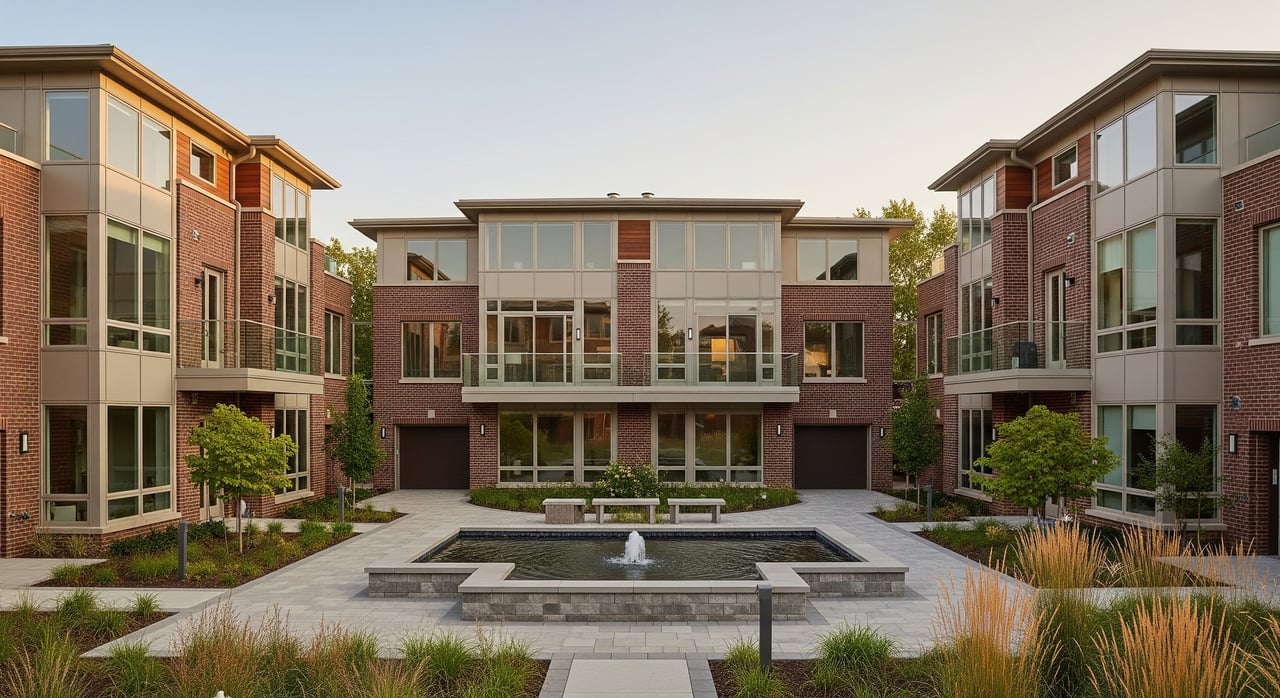
HOA Basics for Bloomington Condo and Townhome Buyers
December 18, 2025
December 18, 2025
Thinking about a Bloomington condo or townhome but unsure how the HOA works? You are not alone. Understanding association fees, rules, and reserves can help you avoid surprises and choose a home that fits your lifestyle and budget. In this guide, you will learn what HOAs do, how to read key documents, what red flags to watch for, and the specific steps to take in Bloomington before you commit. Let’s dive in.
In most Bloomington condominiums and townhome communities, the association manages the exterior and common areas. That usually includes roof and siding upkeep, landscaping, snow removal, exterior lighting, and shared systems like parking lots or storm lines. If there are shared amenities, the HOA arranges their care and use policies too.
You can also expect the HOA to enforce covenants and rules, collect monthly fees, and carry a master insurance policy for common elements or building exteriors. You are typically responsible for your interior policy (an HO-6 condo policy) and personal property. The exact split of responsibilities appears in the Declaration and the master insurance summary.
In Bloomington, you will find two common structures:
Do not assume the legal form based on appearance. Confirm it in the deed and the community’s Declaration. The legal structure affects what you insure, which parts you maintain, and how the HOA budgets and enforces rules.
HOA rules aim to protect property condition and predictable living. Common topics include noise, signage, satellite dishes, exterior changes, holiday decor, and storage. Parking rules often address assigned spaces, guest parking, and limits on certain vehicle types.
Pet policies can set weight or number limits and leash rules. Many communities also regulate rentals, especially short-term stays or overall rental caps. Architectural controls may require approval for renovations that affect exteriors or shared systems. If violations occur, associations typically use fines, suspension of privileges, or liens for unpaid assessments, with hearing or appeal procedures outlined in the bylaws or rules.
Your monthly fee covers operating costs like grounds care, snow removal, management, master insurance, utilities for common areas, and routine repairs. Many budgets also include a contribution to reserves for future big-ticket items.
Fee amounts vary across Bloomington based on building age, amenities, and whether utilities such as heat, water, or cable are included. Communities near major employment and retail nodes can have higher demand and more amenities, which can influence fees. Compare fees across properties, and tie the numbers back to the annual budget and reserve plan.
A reserve fund is the community’s savings account for predictable large expenses like roofs, siding, paving, or elevator work. A reserve study estimates component life cycles and recommends how much to save each year. Strong reserves reduce the risk of sudden, large special assessments.
A special assessment is a one-time charge when the regular budget and reserves are not enough for major or unexpected costs. The authority and process for special assessments come from the Declaration and bylaws, including any notice, voting, or caps.
Watch for red flags:
Request these items early, ideally as part of your purchase contingencies, and take time to review them carefully.
Many Minnesota associations provide a resale or disclosure packet when a unit is listed or goes under contract. It often includes budgets, reserve details, meeting schedules, notices, and the seller’s assessment status. Review it thoroughly, and consider asking an attorney to interpret obligations and special assessment authority.
Bloomington offers low-maintenance living with strong transportation and retail access, including proximity to Minneapolis–St. Paul International Airport, Mall of America, and Southtown. High-amenity areas can mean greater demand, busy common areas, and potentially higher HOA fees depending on services.
The age of local condo and townhome stock varies. Older buildings may face near-term capital work for roofs, siding, or mechanicals. If reserves are underfunded, that can increase the risk of special assessments. Walk the property and relate what you see to the reserve study and recent board minutes.
For taxes and special assessments, review Hennepin County and City of Bloomington records for the unit’s property tax history and any municipal assessments. Some associations collect and pass through payments to local agencies. Understand how non-payment is handled and whether the association can record a lien.
If you are using FHA or VA financing, your lender may require condo project approval or additional documentation. Conventional lenders often request a condominium questionnaire and may be sensitive to high HOA delinquencies or pending litigation in the community.
Insurance details in the master policy also matter for underwriting and personal coverage. Confirm whether the association insures building exteriors and what interior elements you must insure. Clarifying this early helps you compare apples to apples when quoting your HO-6 policy.
Use this sequence once you are serious about a specific unit:
When you compare multiple Bloomington properties, build a simple matrix of costs and risks:
A unit with a slightly higher monthly fee can be the better value if reserves are strong and big projects are already funded.
Reading HOA documents takes time, and you want to be confident before you commit. A seasoned Twin Cities team can help you source complete packets early, spot red flags in financials and minutes, and coordinate with your lender to prevent approval delays. You will also get context about how a specific Bloomington location may affect rental rules, parking demand, or common-area usage.
If you are weighing two great options, an experienced guide can help you compare total cost of ownership, not just the list price. When you are ready to talk strategy, connect with Nene Matey-Keke for clear, local guidance tailored to your goals.
Stay up to date on the latest real estate trends.


Real Estate
Maximize Your Investment with These Proven Tips
Lifestyle
Discover the Best Things to Do and See in St. Louis Park
RNR International Real Estate Group, based in the Twin Cities of Minneapolis, is a growing real estate brokerage representing residential, commercial, and international buyers and sellers. We facilitate contract negotiations for our clients, clearly outlining liabilities and commitments based in the Twin Cities and surrounding Metro Areas.