Do you love the look of stained glass, tall pocket doors, and wraparound porches? If you’re eyeing a historic home in St. Paul’s 55101 and nearby hill neighborhoods, you’re in good company. These homes offer charm and craftsmanship you can’t easily replicate. They also come with extra due diligence and a few unique rules. In this guide, you’ll learn what styles you’ll see, how preservation review works, which inspections to prioritize, and how to plan a realistic scope, budget, and timeline before you write an offer. Let’s dive in.
St. Paul historic styles you’ll see
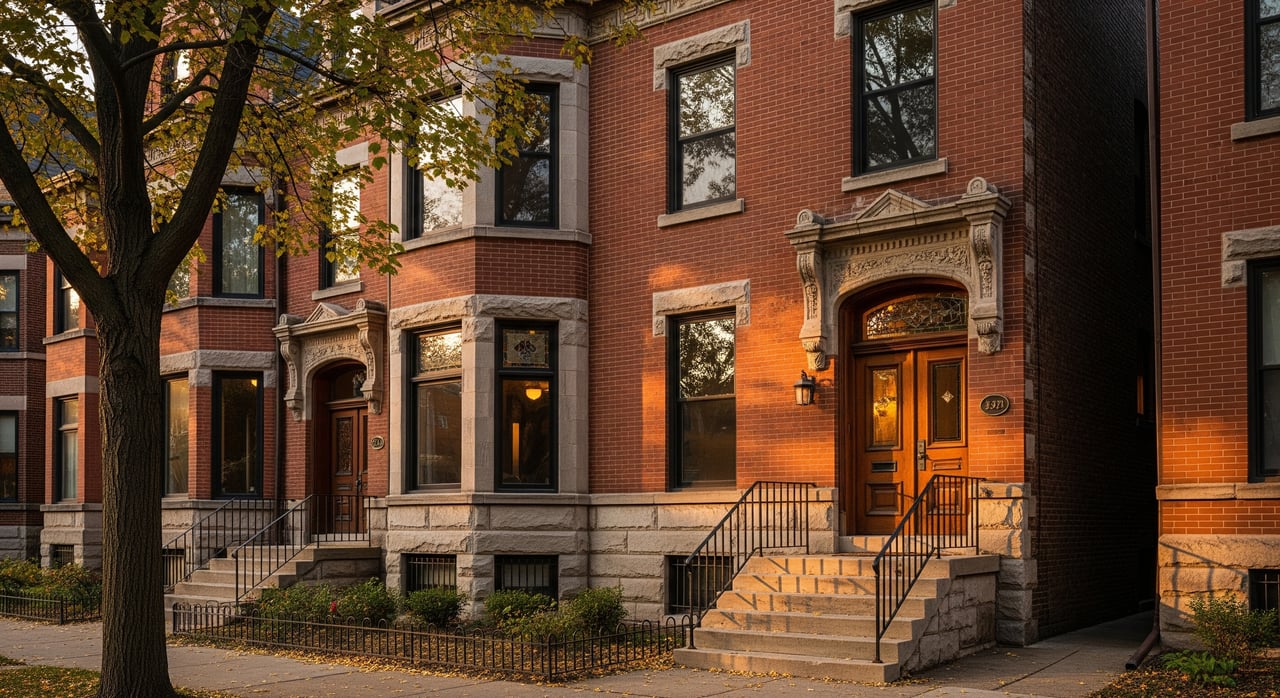
St. Paul is rich with late 19th and early 20th century architecture. In and around 55101, you’ll find a mix of grand homes and smaller rowhouses and townhomes, many near Summit Avenue, Cathedral Hill, and Irvine Park.
Where you might shop
- Summit Avenue near downtown has long rows of Victorian and Beaux-Arts mansions and tends to have stricter preservation expectations.
- Cathedral Hill and Irvine Park feature intact period houses with porches, masonry foundations, and notable exterior details.
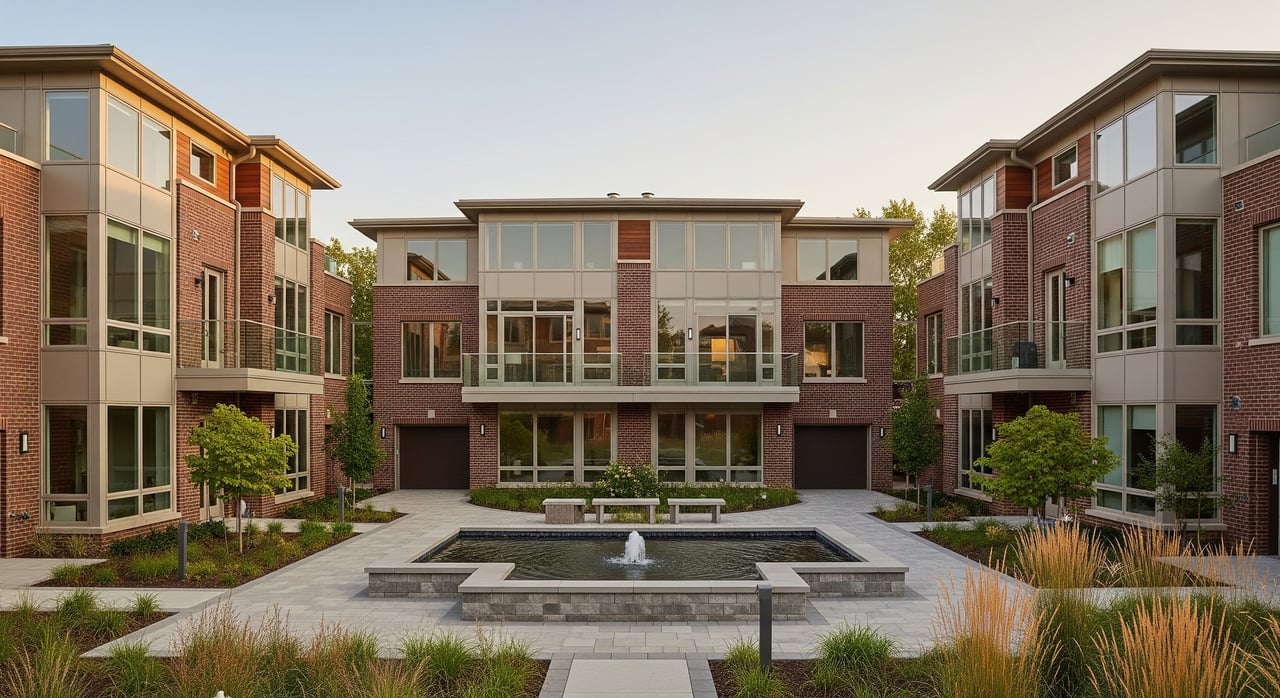
- Within 55101 you may also see historic rowhouses, renovated townhouses, and converted multi-unit residences.
Key eras and features
- Late Victorian, roughly 1880 to 1910, often with slate or metal roofs and ornate woodwork.
- Turn-of-the-century Revival styles, including Colonial Revival, Tudor Revival, and Neoclassical.
- Early 20th century Craftsman and Bungalow homes, prized for woodwork and built-ins.
- Common character features include masonry or wood facades, stained glass, high ceilings, original doors and windows, and detailed porches.
Understanding the style helps you anticipate materials and likely repairs, such as slate roof maintenance, plaster wall repairs, or updates to older wiring.
Rules and reviews: what to expect
Many St. Paul historic properties are located in local historic districts or are individual landmarks. The Saint Paul Heritage Preservation Commission (HPC) reviews proposed exterior changes in those areas.
- Exterior changes usually need HPC approval. Some minor items may qualify for administrative review, while larger changes can require a public hearing.
- The HPC prioritizes preserving character-defining features. Repair in kind is preferred. If you replace visible elements, you’ll likely need to match historic materials and appearance.
- Preservation review adds time. Plan for several weeks to a few months depending on scope, complexity, and meeting cycles.
A home can also be listed on the National Register of Historic Places. That listing is honorific for private owners and does not by itself regulate your changes. Local designation is what triggers city review.
Building permits and specialized trades
You still need building permits for structural, electrical, plumbing, and mechanical work. Permit review will run in parallel with or after preservation review depending on the city’s workflow. Historic materials often require specialized contractors, such as slate roofers or masons trained in lime mortar.
Incentives and tax credits
- The federal Historic Rehabilitation Tax Credit, typically 20 percent, applies to certified rehabilitations of income-producing historic buildings. It is usually not used for owner-occupied single-family homes.
- State historic credits and local grants or loans change over time. Check current programs with Minnesota’s SHPO and the City of St. Paul.
Easements and recorded restrictions
Some properties have preservation easements or covenants that restrict alterations beyond local rules. Ask the seller and search recorded documents during due diligence.
Common condition issues to investigate
Historic homes can be durable, but age and past repairs matter. Here are frequent findings in St. Paul’s older housing stock:
- Foundations: Stone or brick foundations can show mortar deterioration, settlement, or moisture intrusion.
- Roofs: Slate, clay tile, metal, and wood shingles appear on higher-style homes. Slate lasts, but requires specialist repair. Older asphalt or wood shingles may be due for replacement.
- Exterior woodwork and porches: Rot, insect damage, failed paint, and settling are common.
- Masonry: Deteriorated mortar joints, cracked bricks or stone, efflorescence, and past repairs with the wrong mortar.
- Windows: Original single-pane wood windows are common and often significant. Storm windows can boost efficiency. Replacements visible from the street are often regulated.
- Electrical: Knob-and-tube or early wiring, undersized panels, and non-grounded outlets are typical.
- Plumbing: Galvanized supply lines and cast iron or lead drains may be near end of life.
- HVAC: Older boilers or furnaces, limited ductwork, or retrofits that cut through sensitive areas.
- Insulation and air sealing: Many walls lack modern insulation. Any upgrades should address moisture and ventilation.
- Hazardous materials: Lead-based paint is common in pre-1978 homes. Asbestos may be present in older insulation, flooring, or pipe wrap.
- Moisture management: Poor grading, missing gutters, and damp basements are frequent.
- Structural: Sagging floors, localized joist rot, or modifications from earlier renovations.
What this means for your budget
Cosmetic fixes are common and often manageable. System upgrades like electrical rewiring, new HVAC, roof replacement, or foundation work can be significant. Specialist trades cost more per hour, but they help avoid damaging fixes that reduce value.
Inspection plan tailored to historic homes
Get the right experts involved early. A thorough discovery phase gives you leverage, clarity, and better project sequencing.
Recommended inspections and tests:
- Full home inspection by a pro experienced with older properties.
- Licensed electrician evaluation of panel capacity and any knob-and-tube.
- Plumbing inspection of supply and waste lines.
- Roof inspection by a contractor familiar with slate, metal, or clay tile, if present.
- Masonry and foundation specialist if you see cracking or have a masonry foundation.
- Chimney and fireplace inspection if you plan to use them.
- Lead-based paint risk assessment or, at minimum, review the required lead paint disclosures for pre-1978 homes.
- Asbestos inspection if you anticipate disturbing older materials.
- Pest inspection for wood-destroying organisms.
- Energy and moisture diagnostics, such as blower-door testing and infrared, if you plan insulation or air-sealing.
- Historical review of prior permits, HPC approvals, and any available surveys or documentation.
Pre-offer vs. post-offer strategy
In competitive situations, some buyers commission a pre-offer inspection to reduce surprises. If you go under contract first, build in an inspection period long enough to schedule specialists and gather bids. Either way, ask for seller maintenance records, permits, and contractor invoices as early as possible.
Renovation planning and timelines
Approach work in a logical order so you protect the house and your budget.
- Start with structure and moisture control. Stabilize foundations, fix drainage, and repair roof and flashing.
- Make systems safe. Address electrical, plumbing, and heating first.
- Weatherproof and preserve. Repair porches, gutters, windows, and exterior finishes to prevent further deterioration.
- Then tackle interiors and energy upgrades. Finish with cosmetic restoration that matches the home’s character.
Document existing conditions with photos and basic measurements before you begin. This helps with planning, contractor bids, and any preservation review.
Typical timelines:
- Interior or cosmetic projects: weeks to a few months, depending on permits and trades.
- Exterior work that needs HPC review: plan for 4 to 12 weeks or more for consultations and potential hearings.
- Major rehabilitations with systems and preservation scope: several months to a year depending on complexity.
Financing options for purchase and rehab
- Conventional mortgage for move-in ready homes.
- Renovation mortgages, such as FHA 203(k) and Fannie Mae HomeStyle, that combine purchase and renovation in one loan. Each has specific requirements, so confirm details with your lender.
- Home equity or construction loans if you already own a property and plan a larger project.
- Cash purchases offer maximum flexibility.
- Check insurance early. Older roofs, wiring, or plumbing can affect insurability and premiums, and some carriers require upgrades.
Hiring the right team
Choose contractors with historic experience. Slate roofs, lime mortar, and original millwork require specific skills. For larger projects, consider a preservation architect or consultant to align plans with the Secretary of the Interior’s Standards and to guide HPC applications.
Smart due diligence before you write an offer
Give yourself time and contingencies that match the realities of historic properties.
Due diligence checklist:
- Ask for seller maintenance records, permits, contractor invoices, any prior HPC approvals, and a complete property disclosure.
- Verify whether the property is in a local historic district or is a designated landmark.
- Search recorded easements or covenants that may limit changes.
- Review the city’s permit history for major past work.
- Get at least two written estimates for major items you expect to address.
- Obtain an insurance pre-quote for the specific property.
Contingencies to include in your offer
- Inspection contingency with enough time to bring in specialists.
- Historic review contingency for exterior work required by your financing or insurance.
- Financing contingency for renovation loans that need longer underwriting.
- Right to review seller records and, if applicable, any HOA or district rules.
Negotiation tips that fit older homes
- Request seller credits for major systems or ask for specific repairs by licensed contractors.
- Consider escrow holdbacks when weather or scheduling delays push work past closing.
- Include realistic timelines for permitting and preservation review in your close date and post-close plan.
Your next steps in 55101
Owning a historic home in St. Paul can be deeply rewarding. With a clear inspection plan, a realistic renovation roadmap, and an understanding of local preservation rules, you can buy with confidence and protect the character you love. If you want help mapping the process, aligning financing with your scope, and understanding neighborhood-level nuances around 55101 and the hill districts, let’s talk. Reach out to Nene Matey-Keke for a consultative game plan tailored to your goals.
FAQs
How much more will repairs cost on a St. Paul historic home?
- Costs vary widely by condition and prior updates. Expect potentially higher prices for specialist trades, such as slate roofing, historic masonry, and complex electrical or plumbing upgrades. Get multiple local bids before finalizing your budget.
Can you replace windows in a St. Paul historic district?
- Often, visible window changes require HPC review. Repair in kind is preferred, and replacements that match historic materials and appearance are more likely to be approved. Interior storm windows are a common efficiency upgrade.
Are there tax credits or grants for owner-occupants of historic homes?
- The federal credit generally applies to income-producing historic buildings. State and local programs change over time, so confirm current options with Minnesota’s SHPO and the City of St. Paul.
How long does preservation review add to a project timeline?
- Plan for several weeks to a few months depending on scope, whether a public hearing is required, and the HPC meeting schedule. Build this into your offer and renovation timelines.
What insurance issues should you plan for with older systems and materials?
- Some insurers charge more or require upgrades for knob-and-tube wiring, older roofs, or clay tile and slate. Get insurance quotes early and factor any required improvements into your plan.